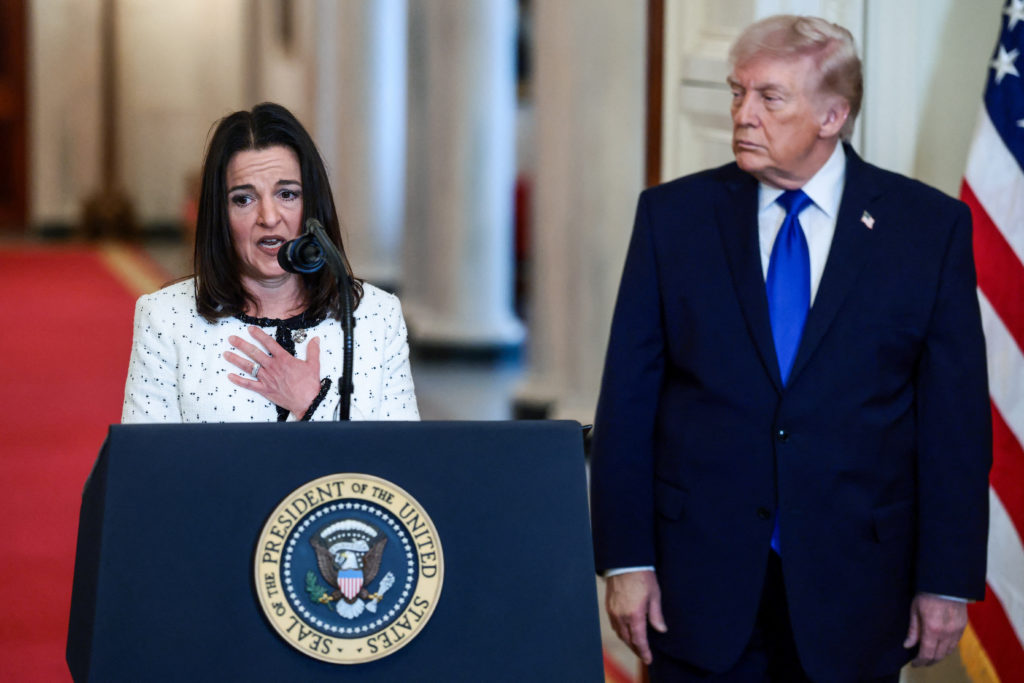
A White House Ceremony of Remembrance: Honoring Laken Riley and Angel Families
In a solemn gathering that resonated with profound grief and a powerful call for justice, President Donald Trump recently hosted a moving remembrance ceremony in the East Room of the White House. The event, centered around the tragic loss of Laken Riley, a 22-year-old nursing student, brought together numerous "Angel Families" – individuals who have endured the unbearable pain of losing loved ones to crimes committed by people illegally present in the United States. This poignant occasion underscored the deeply personal impact of such tragedies, while also spotlighting a critical national conversation surrounding immigration policy and border security.
The East Room, typically a setting for grand receptions and historic signings, was transformed into a space of shared sorrow and solidarity. President Trump, acting as host, offered comfort and a platform to families whose lives have been irrevocably altered by these devastating crimes. The emphasis on Laken Riley's story served as a heartbreaking focal point, symbolizing the countless others whose lives have been cut short under similar circumstances. Her senseless death, allegedly at the hands of an undocumented immigrant, ignited widespread outrage and intensified debates across the nation regarding the enforcement of immigration laws.
When a President Trump Honors Angel Families at White House Remembrance, it elevates their stories from personal tragedies to a national issue, ensuring their voices are heard at the highest levels of government. This ceremony was not merely a gesture of empathy; it was a deliberate act designed to draw national attention to a specific facet of crime and immigration, lending official recognition and a powerful platform to those often unheard.
The Poignant Voice of Angel Families: A Call for Justice and Awareness
The term "Angel Families" emerged to describe those who have lost loved ones to crimes committed by undocumented immigrants. These families carry a unique burden of grief, often compounded by a sense of injustice and a desire for accountability that extends beyond the individual perpetrator to the broader systems they believe failed to protect their kin. Their decision to step into the public eye, sharing their most painful experiences, is an act of immense courage and a testament to their unwavering commitment to preventing similar tragedies for others.
During the White House ceremony, family members shared harrowing accounts of their losses, putting human faces to the often-abstract discussions surrounding immigration. Each story was a stark reminder of the devastating consequences of violent crime, amplified by the contentious debate over immigration enforcement. For many, these ceremonies provide a crucial sense of validation that their loved ones' lives mattered and that their deaths are not forgotten. It is a moment where their personal sorrow intersects with a national platform, urging a collective introspection on societal responsibilities.
These gatherings are more than just memorial services; they are powerful acts of advocacy. By bringing these families together and providing them a voice, the event aimed to galvanize public opinion and pressure policymakers to address perceived gaps in immigration law and border security. This aligns with the broader objective when Angel Families: Trump Spotlights Victims of Crimes by Illegal Immigrants, ensuring that the plight of these victims remains at the forefront of national discourse.
It's crucial to understand the profound emotional labor involved for these families. Sharing their deepest pain repeatedly, especially in a politically charged environment, requires extraordinary resilience. Their willingness to do so highlights the depth of their desire for change and the hope that no other family will have to endure what they have.
When a President Hosts Families: Beyond Empathy to Policy Implications
The act of a president hosting families directly affected by crime carries significant weight, serving multiple critical functions beyond mere compassion. Firstly, it provides a vital platform for presidential empathy, allowing the nation's leader to personally acknowledge suffering and offer solace. For many grieving families, this recognition from the highest office can be incredibly validating, signaling that their pain is seen and heard at a national level.
Secondly, when a president hosts families in such a high-profile setting, it inherently transforms a personal tragedy into a political statement. These ceremonies are carefully curated to highlight specific issues, in this case, the perceived public safety risks associated with inadequate border security and lax immigration enforcement. By bringing Angel Families to the White House, President Trump underscored his administration's focus on these areas, signaling a commitment to stricter immigration policies as a means to prevent future crimes.
- Raising Awareness: These events dramatically increase public awareness of specific types of crime and their societal impact, influencing public perception and priorities.
- Policy Articulation: They serve as a powerful visual aid for the president's policy agenda, demonstrating the human cost that underpins proposed legislative changes or enforcement actions.
- Mobilizing Support: Such ceremonies can rally political support for particular legislative initiatives or reinforce existing policies among a key demographic.
- Symbolic Leadership: By personally engaging with victims, the president embodies a sense of national responsibility and commitment to justice, even in highly contentious policy areas.
The decision to host these families in the historic East Room further amplifies the message, imbuing the event with a sense of official gravity and national importance. It allows the administration to frame the issue of border security not just as an economic or political debate, but as a moral imperative driven by the need to protect American lives.
Advocating for Victims and Strengthening Communities: Practical Steps
While White House ceremonies provide a powerful national spotlight, the work of supporting victims and advocating for safer communities happens at every level. The stories shared by Angel Families serve as a poignant reminder of the pervasive impact of crime and the ongoing need for robust victim support services, effective law enforcement, and comprehensive policy solutions.
How Communities Can Offer Support:
- Financial and Emotional Aid: Contribute to local victim support organizations that provide counseling, legal assistance, and financial aid to crime victims and their families. Many families face unexpected expenses and emotional distress that can last for years.
- Raise Awareness: Share reliable information about victim services and local safety initiatives. Education helps reduce stigma and encourages those in need to seek help.
- Community Watch Programs: Participate in or establish local community watch programs. Proactive community engagement can deter crime and foster a sense of collective responsibility for safety.
- Advocate for Policy: Engage with local, state, and national representatives to express support for policies that enhance public safety, strengthen victim rights, and ensure effective law enforcement and border management.
Understanding the Broader Context:
The tragic experiences of Angel Families highlight the complex interplay between immigration policy, border security, and public safety. Regardless of political viewpoints, there is a universal agreement that violent crime has devastating consequences. From a factual perspective, the emotional and psychological toll on victims' families is immense, often leading to long-term trauma, financial hardship, and a lifelong quest for justice.
It's important to approach these discussions with sensitivity and a focus on solutions. While the White House ceremony clearly connected these tragedies to the issue of illegal immigration, the broader goal for many victims' advocates is to ensure that all measures are taken to prevent crime, protect citizens, and support those who suffer its consequences. This includes investing in law enforcement, ensuring robust judicial processes, and critically evaluating all policies that impact public safety, from local crime prevention strategies to national border security measures.
Conclusion
The White House ceremony where President Trump hosted the families of Laken Riley and other "Angel Families" was a powerful and deeply emotional event. It served not only as a moment of remembrance and solace for those who have endured unimaginable loss but also as a potent platform for discussing critical issues surrounding public safety, immigration enforcement, and national borders. By elevating these personal tragedies to a national stage, the ceremony reinforced the enduring human cost of crime and ignited renewed calls for comprehensive solutions. Ultimately, such gatherings underscore the vital role of empathy in leadership and the ongoing necessity of a national dialogue that prioritizes the safety and well-being of all citizens, while honoring the memories of those whose lives were unjustly cut short.